Spin Smarter, Not Harder: 5 Real Strategies to Stretch Your Gaming Budget
Let's be straight with you: there's no magic system that guarantees wins on spin-based games. Anyone who tells you otherwise is selling something. What does exist, though, are smart habits and informed decisions that can significantly extend your sessions, reduce unnecessary losses, and make the whole experience more enjoyable.
Whether you're a weekend casual or someone who logs in most evenings for a little entertainment, these five strategies can help you get more out of every dollar you put into play. No gimmicks. Just practical guidance from people who actually think about this stuff.
1. Set a Hard Budget Before You Ever Log In
This one sounds obvious, but it's where most players slip up — not because they don't know better, but because they skip the step entirely. Before you open a single game, decide exactly how much you're willing to spend for that session. Not a rough number. A specific, firm number.
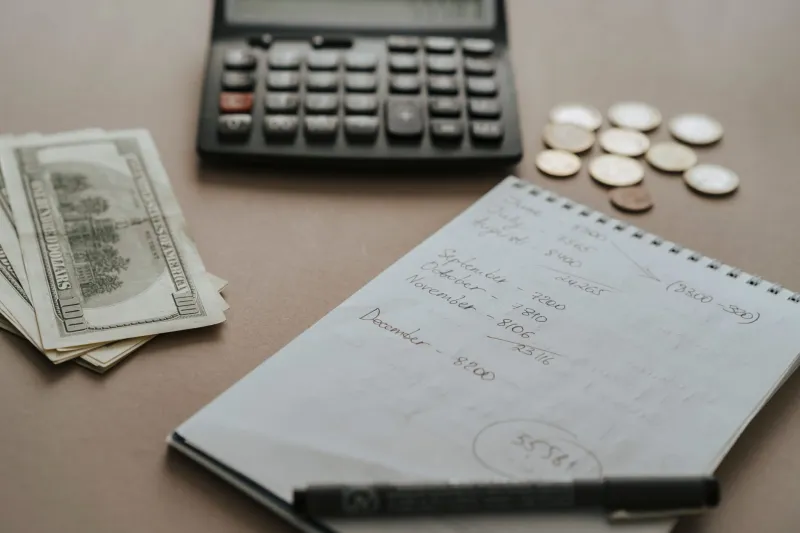
Treat it the same way you'd budget for a night out. If you're going to a concert or a ballgame, you know going in what you're prepared to spend on tickets, food, and drinks. Gaming is no different. Decide on your number — say, $30 or $50 — and commit to it as your entertainment budget for the evening.
The practical move: fund a separate e-wallet or use a prepaid card loaded with only your gaming budget. When it's gone, it's gone. This removes the temptation to dip back into your main account for "just one more spin."
At SpinBetter, we're big on the idea that smart play starts before the first reel ever turns.
2. Learn What RTP Actually Means (And Use It)
RTP stands for Return to Player, and it's one of the most useful — and most ignored — numbers in all of spin-based gaming. Expressed as a percentage, RTP tells you how much of the total money wagered on a game is paid back to players over time.
A game with a 96% RTP, for example, theoretically returns $96 for every $100 wagered across all players over millions of spins. That doesn't mean you'll personally get back 96 cents on every dollar — variance plays a huge role in individual sessions. But over time, a higher RTP gives you statistically better value.
Here's the practical application: when you're choosing which game to play, check the RTP. Most reputable online platforms list it in the game's information section. Aim for games with RTPs of 95% or higher. Avoid the shiny new releases that haven't been optimized yet — they often come with lower RTPs to fund their promotional budgets.
Knowing RTP won't guarantee a winning session, but it's the difference between playing informed and playing blind.
3. Understand Volatility and Match It to Your Bankroll
RTP's often-overlooked sibling is volatility (sometimes called variance), and it matters just as much for how your session actually feels. Volatility describes how a game pays out — frequently in small amounts (low volatility) or rarely in large amounts (high volatility).
High-volatility games are the ones that can go 50 spins without a meaningful win, then suddenly drop a massive payout. They're thrilling, but they can also burn through a limited bankroll fast. Low-volatility games pay out more regularly but in smaller amounts — they're better for longer sessions on tighter budgets.
The match-up strategy: if you're playing with $40 and want to enjoy a full evening of spinning, lean toward low-to-medium volatility games. If you've got a modest budget but you're specifically chasing the big hit and you're okay with the session potentially ending quickly, high volatility might be your lane.
Neither approach is wrong. But knowing which one you're in changes everything about how you manage your expectations — and your bankroll.
4. Use Bonuses Strategically, Not Impulsively
Welcome bonuses, free spins, reload offers — online gaming platforms offer a lot of promotional value, and US players have more access to these than ever before. The key is using them strategically rather than just grabbing every offer that lands in your inbox.
Before accepting a bonus, read the wagering requirements. This is the multiplier that tells you how many times you need to play through the bonus amount before you can withdraw any winnings. A $50 bonus with a 40x wagering requirement means you need to wager $2,000 before cashing out. That's a very different proposition than a $50 bonus with a 10x requirement.
Practical tips: prioritize free spin offers on games you already planned to play. Look for bonuses with lower wagering requirements. And never deposit more than you intended to just to unlock a bonus — that's the bonus working against you, not for you.
When used wisely, bonuses are genuine extra value. When used impulsively, they can pull you into spending patterns you didn't intend.
5. Build in Exit Points — And Honor Them
This might be the most important strategy on the list, and it has nothing to do with math. It's about discipline and self-awareness.
Before each session, set two exit points: a loss limit and a win goal. The loss limit is straightforward — it's your budget from Strategy #1. The win goal is the amount at which you'll stop playing and lock in your profit. This is the one players skip most often, because walking away when you're ahead feels counterintuitive. You're hot, right? Why stop?
Here's why: the longer you play, the more the RTP works its way toward average. A hot streak is real, but it doesn't last indefinitely. Locking in a win — even a modest one — is a genuinely good outcome. Celebrate it.
A simple framework: set your win goal at 1.5x to 2x your starting budget. If you start with $50 and hit $90, consider calling it a win and logging off. That's a great session.
Building these exit points into your routine transforms gaming from an open-ended drain into a structured, enjoyable activity with a clear beginning and end.
The Bottom Line
None of these strategies require a math degree or hours of prep work. They just require a little intention before you start playing. Budget smartly, choose games wisely, understand what you're actually playing, use bonuses thoughtfully, and know when to walk away.
That's what spinning smarter looks like. And smarter spins almost always mean better sessions — win or lose.