From Solo Spins to Squad Goals: How American Gamers Are Turning Reels Into Real Relationships
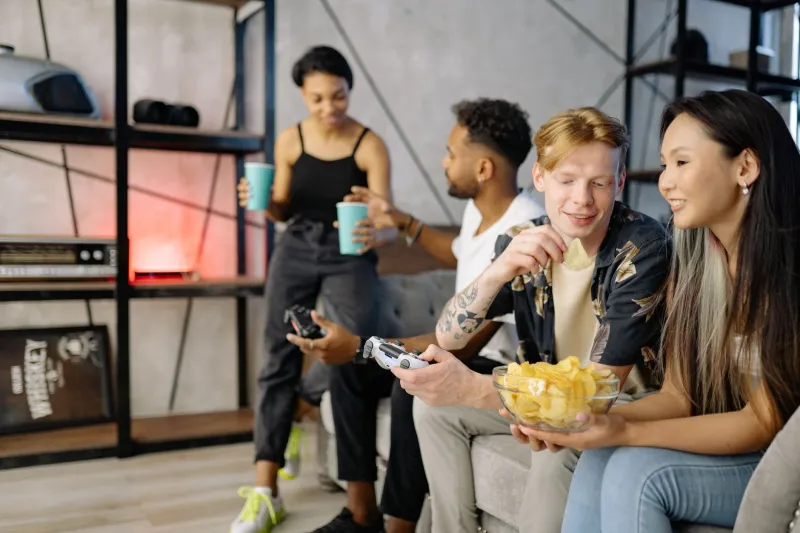
There's a persistent image of the lone slot player — headphones in, eyes locked on the screen, totally in their own world. And sure, that vibe has its appeal. But something interesting has been quietly happening across the American gaming landscape over the past few years. Players who once spun in isolation are now spinning together, building communities that are just as engaging as the games themselves.
It turns out, people don't just want to win. They want someone to celebrate with when they do.
The Community Boom Nobody Saw Coming
A few years back, if you told someone that a Reddit thread dedicated to spin-based gaming would have tens of thousands of active members, they might have raised an eyebrow. Today, subreddits focused on slots, reels, and casino-style gaming are thriving hubs of conversation — places where players swap screenshots of big wins, debate the merits of different game mechanics, and troubleshoot strategy in real time.
Discord has become another major gathering point. Servers dedicated to specific games or platforms can host hundreds of simultaneous conversations at any given hour. There are channels for strategy talk, channels for sharing clips, and often just general chat rooms where regulars shoot the breeze between sessions. The tone in most of these spaces is surprisingly warm — more neighborhood hangout than competitive arena.
What's driving all this? A few things, honestly. The pandemic pushed a lot of Americans toward online entertainment, and many discovered spin-based gaming during that period. When restrictions lifted, the gaming didn't stop — but the social habits formed during lockdown carried over. People had gotten used to building digital friendships around shared hobbies, and gaming communities were a natural fit.
Why Spin-Based Games Are Especially Community-Friendly
Not every gaming genre lends itself to community building in the same way. Competitive shooters attract communities, sure, but those spaces can get intense. Spin-based games, by contrast, tend to draw a more laid-back crowd — players who are in it for the entertainment, the thrill of the spin, and a little bit of luck.
That relaxed energy translates directly into how communities form around these games. There's less trash talk and more genuine enthusiasm. When someone hits a bonus round or unlocks a rare feature, the reaction from fellow community members is usually genuine excitement rather than skepticism or rivalry. It's the digital equivalent of a table full of friends at a casino, all leaning in together to watch the reels land.
The accessibility of spin-based gaming also matters here. You don't need to invest dozens of hours mastering complex mechanics to participate meaningfully. That lower barrier to entry means communities attract a wider age range and demographic mix than many other gaming spaces — which makes for richer, more interesting conversations.
What People Are Actually Talking About
Spend any time lurking in these communities and you'll notice the conversations fall into a few reliable categories.
Strategy and tips are perennially popular. Players love discussing volatility, payout patterns, and which games seem to reward longer sessions versus quick bursts. There's a lot of folk wisdom floating around — some of it surprisingly astute, some of it more wishful thinking — but the exchange itself is genuinely useful for newer players trying to find their footing.
Win celebrations are a staple. Screenshots and short video clips of impressive payouts flood community feeds regularly. These posts almost always generate enthusiastic responses. There's something genuinely feel-good about watching a stranger hit big and seeing their community rally around them.
Game recommendations are another constant. With so many titles available across platforms, players rely heavily on peer recommendations to decide what to try next. A glowing review from a trusted community member carries a lot more weight than any marketing copy.
And then there's just the casual stuff — weekend check-ins, jokes about bad luck streaks, memes that only make sense if you've spent time spinning. This is the connective tissue that turns a group of strangers into something that actually feels like a community.
Platforms That Get It
Smart gaming platforms have started paying attention to this shift. The most forward-thinking operators understand that players aren't just looking for a place to play — they're looking for a place to belong. That means thinking about features that facilitate connection, not just competition.
At SpinBetter, the philosophy has always been that great gaming is about more than mechanics. The social dimension of play — sharing strategies, learning from other players, finding your crew — is part of what makes the whole experience worth coming back to. When players feel like they're part of something, their relationship with the platform deepens in ways that pure game design can't replicate on its own.
This isn't just good for players, either. Communities generate organic knowledge-sharing that helps everyone improve. A player who learns a smart budgeting approach from a forum post is going to have a better, more sustainable experience than someone spinning in total isolation. The community makes better players, and better players make for a healthier gaming culture overall.
The Human Side of Spinning
Here's something worth sitting with: the people in these communities aren't primarily there because of the games. They're there because of each other.
That might sound counterintuitive, but it tracks with how human beings actually work. We're social animals. We find hobbies more meaningful when we share them. The spin itself is the spark, but the community is the warmth that keeps people coming back.
Across the country, in living rooms and on lunch breaks and late at night when the world gets quiet, American players are logging on — not just to spin, but to connect. They're trading tips with someone in Texas, celebrating a win with a regular from Ohio, commiserating about a rough session with a friend they've never met in person but somehow feel like they know.
That's the real story of spin-based gaming communities. Not the algorithms or the payout tables, but the people. The friendships that form in the margins of gameplay. The sense of being part of something a little bigger than any single session.
Spin smart, play better — but maybe most importantly, play together. You might be surprised what you find when you do.