When Luck Turns Against You: The Hidden Danger of Hitting It Big

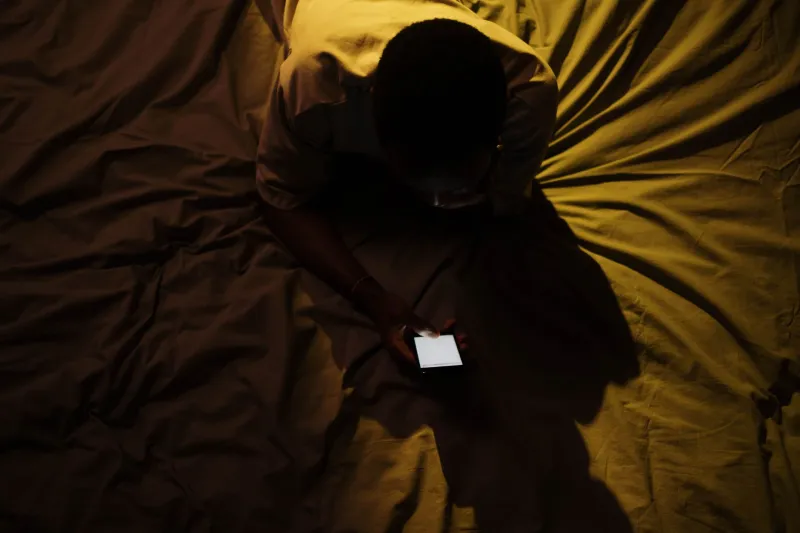
Imagine you're sitting at your favorite online slot on a lazy Saturday afternoon. You've been spinning casually for about an hour when suddenly — boom — the reels light up, the sounds explode, and your balance jumps by $800. Your heart races. Your palms get a little sweaty. You feel, for a moment, completely invincible.
That feeling? It's your brain chemistry doing something sneaky. And if you're not paying attention, that single winning moment could end up costing you far more than any losing streak ever would.
The Counterintuitive Truth About Big Wins
Most players worry about losing streaks. They track their bad sessions, set loss limits, and walk away when things go south. That's smart. But here's what doesn't get talked about nearly enough: a significant win can be just as psychologically dangerous — sometimes more so — than a rough run of losses.
This is what researchers call the "winner's trap," and it's a well-documented pattern in behavioral psychology. When you hit a big payout, your brain floods with dopamine — the same neurotransmitter tied to pleasure, motivation, and reward-seeking behavior. In moderate doses, dopamine is what makes games fun. In a surge? It starts distorting your judgment in ways you won't even notice.
Studies from institutions like the National Problem Gambling Helpline and behavioral researchers at Yale have shown that large wins — especially unexpected ones — frequently precede some of the riskiest gambling behavior players engage in. The logic feels backward until you understand what's actually happening upstairs.
Your Brain on a Jackpot
Here's the neuroscience in plain English: dopamine doesn't just reward you for what happened. It recalibrates your expectations for what should happen next. After a major win, your brain essentially tells itself, "We're good at this. We can do it again." The rational part of your mind — the prefrontal cortex — gets temporarily outpaced by the limbic system, which is all about impulse and emotion.
That's why so many players, after a big score, immediately increase their bet sizes. It doesn't feel reckless in the moment. It feels logical. You just won big, so why not ride the wave?
The problem is there is no wave. The reels don't know you just won. The RNG (random number generator) powering every legitimate online slot doesn't have memory. Each spin is independent. But your brain? Your brain is absolutely certain momentum is on your side.
Real Players, Real Patterns
Talk to anyone who's spent serious time in casino communities — online forums, Reddit threads dedicated to slots, Discord servers for gaming enthusiasts — and you'll hear versions of the same story over and over.
A player from Ohio described hitting a $1,200 bonus round during a $0.50-per-spin session. Within twenty minutes, he was playing $5 spins, convinced his "hot streak" was still alive. He walked away down $400 from his original balance — meaning the win didn't just evaporate; it created a net loss.
A woman from Nevada who plays regularly at online platforms said she started keeping a notebook after noticing she always seemed to lose money on her "best" nights. When she reviewed three months of sessions, the pattern was undeniable: her biggest wins were almost always followed by her biggest losses, often in the same sitting.
These aren't outliers. They're the rule.
The "Press Your Luck" Mentality
American gaming culture has a phrase baked right into its DNA: pressing your luck. It's in our game shows, our poker slang, our everyday language. And it captures something real about how we're wired to think about winning.
When things are going well, we don't want to stop. Stopping feels like leaving money on the table. It feels like a lack of confidence. The cultural narrative around gambling often rewards boldness — the player who let it ride and won is celebrated; the one who cashed out early is quietly forgotten.
But cashing out early is almost always the smarter play. And the players who consistently walk away ahead aren't the luckiest ones — they're the ones who've learned to treat a win as an exit signal, not an invitation to go bigger.
Practical Strategies for Locking In Your Wins
So how do you actually protect yourself from your own post-win brain? A few approaches that experienced players swear by:
Set a "win ceiling" before you start. Just like a loss limit, a win limit gives you a pre-committed exit point. If you decide before your session that you'll stop at +$200, you take the in-the-moment emotion completely out of the equation. You already made the decision when you were thinking clearly.
Withdraw a portion immediately. Many online platforms allow you to transfer winnings to a separate wallet or initiate a withdrawal mid-session. If you hit a big win, pull at least half of it out of your playable balance right away. You literally cannot spend what isn't in front of you.
Take a mandatory break after a major payout. Step away for at least fifteen minutes. Get water. Walk around. Let the dopamine settle. Coming back to the game with a slightly cooler head makes a measurable difference in the quality of decisions you make.
Don't change your bet size after a win. This is one of the hardest disciplines in gaming, but it's crucial. If you were playing $1 spins and hit a jackpot, stay at $1 spins. The win didn't change the math of the game — it only changed your mood.
Keep a session log. It sounds tedious, but tracking your sessions — including what you did after wins — creates accountability. Patterns become visible. And once you see the pattern, it's much harder to ignore.
Winning Smarter Is Still Winning
None of this is meant to take the fun out of gaming. Big wins are genuinely exciting, and that rush is a real part of why spin-based games are so compelling. But at SpinBetter, we believe the smartest players are the ones who treat every session — good or bad — with the same level-headed discipline.
The goal isn't just to win big. It's to keep what you win.
The next time those reels light up and your balance surges, let yourself enjoy it for a moment. Then take a breath, remember what your brain is trying to do to you, and make the move that future-you will actually be grateful for.
That's not playing it safe. That's playing it smart.