Hooked on the Spin: Decoding the Hidden Triggers That Keep You Coming Back to Certain Games
You've been there. You scroll past a dozen perfectly decent games, and your finger stops on that one. Maybe it's the color palette. Maybe it's a sound you heard once that stuck. Maybe you almost won on it last Tuesday and your gut is still convinced the machine owes you something. Whatever the reason, certain spin games grab hold in a way that others just don't.
That pull isn't random. It's engineered. And understanding the psychology behind it is one of the smartest moves a player can make.
The Architecture of Attraction
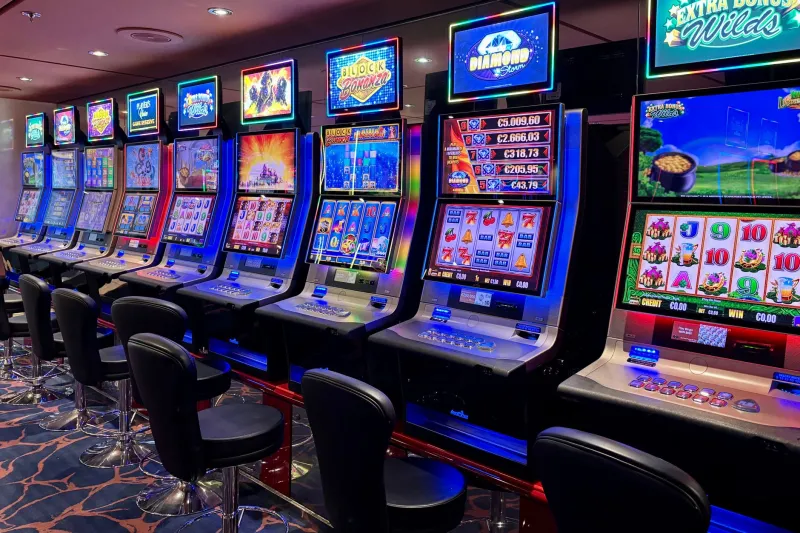
Game developers aren't just building entertainment—they're building experiences calibrated to your nervous system. The visual design of a slot game, for instance, does a lot more work than most players realize. Warm colors like red, orange, and gold aren't accidental choices. Research in consumer psychology consistently shows these tones elevate arousal and create a sense of urgency. Games bathed in those hues feel alive in a way that cooler-toned titles simply don't.
Symbol movement matters too. The slight bounce of a winning combo, the cascading animation of a bonus trigger—these micro-events are designed to feel rewarding independent of any actual payout. Your brain processes the animation as a win signal before your rational mind has time to check the balance. That split-second emotional hit is the hook.
And then there's the layout itself. Games with a clear visual hierarchy—a central reel cluster, bold payout indicators, a prominent jackpot counter—create a kind of cognitive comfort. Your eyes know where to go. That ease of navigation reduces friction, and reduced friction means you stay longer without noticing the time passing.
Sound Is Doing More Work Than You Think
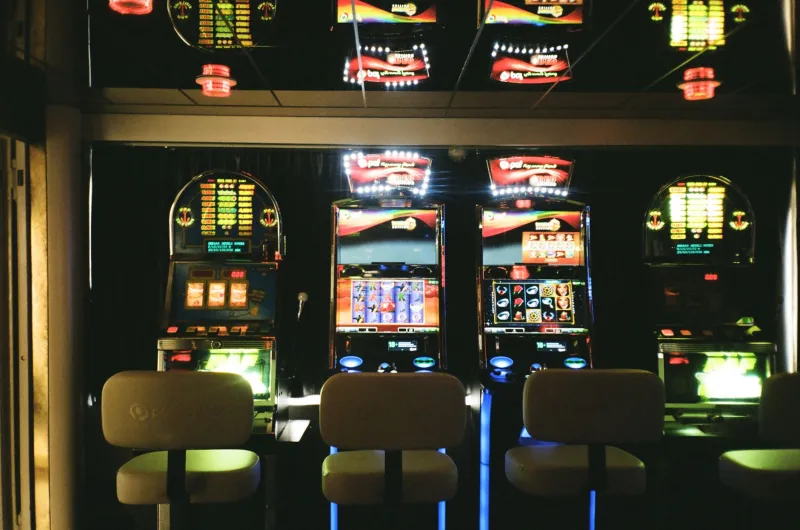
Close your eyes during a spin session sometime. Just listen. What you'll hear is a carefully composed emotional landscape. The ambient hum, the reel click, the ascending tone of a near-win, the explosive audio burst of a bonus round—none of it is accidental filler. It's a sonic script designed to keep your emotional state in a specific zone.
High-frequency sounds trigger alertness. Rhythmic, repetitive audio creates a trance-like familiarity. Victory jingles, even small ones, activate dopamine pathways that your brain associates with genuine achievement. Over time, you begin to associate that specific sound profile with feeling good—which means when you're looking for a mood boost, your instinct is to fire up the game that plays that particular tune.
This is why players often report feeling oddly flat when they try a new game, even one with better odds. It doesn't sound right. The emotional shorthand isn't there yet.
The Near-Miss Effect: The Most Powerful Trick in the Deck
If there's one mechanic that behavioral psychologists have studied more obsessively than any other in gaming, it's the near-miss. You know the feeling: two jackpot symbols line up, and the third stops just one position short. Your heart jumps. You feel close.
Here's the uncomfortable truth: that closeness is an illusion. In a random number generator-based game, a symbol stopping one position away from the payline has zero statistical relationship to the next spin. The reels don't remember. There's no momentum. But your brain—wired through millions of years of evolution to detect patterns and persevere when a goal seems within reach—reads that near-miss as a signal to keep going.
Studies from institutions like the University of Exeter have shown that near-misses activate the same brain regions as actual wins. Your neurological response to "almost" is nearly identical to your response to "yes." Game designers know this, and frequency of near-miss outcomes can sometimes be calibrated within regulatory limits to maximize that effect.
Once you recognize the near-miss for what it is—a psychological nudge, not a prediction—you gain real power over your own behavior.
Mapping Your Personal Trigger Profile
Not every player responds to the same hooks with the same intensity. Some people are primarily visual—they're drawn in by animation quality and aesthetic polish. Others are sound-sensitive, gravitating toward games with rich audio profiles. A third group is outcome-driven, almost exclusively motivated by jackpot size and win frequency data.
Knowing which category you lean toward is genuinely useful. Try this: the next time you feel a strong pull toward a specific game, pause for five seconds and ask yourself why. Is it the look? The sound? A recent near-miss? A jackpot counter that just ticked up? Naming the trigger doesn't eliminate it, but it creates a moment of conscious awareness between impulse and action. That gap is where smart play lives.
You can also track which games you return to most frequently versus which ones you try once and abandon. The pattern often reveals your dominant trigger type—and knowing your type helps you make more intentional choices about where you spend your time and your budget.
When Entertainment Becomes Something Else
Attraction to a specific game isn't inherently problematic. Preferences are normal. But there are a few behavioral signals worth paying attention to:
- You return to one game specifically after a loss, rather than stepping away or switching.
- The game feels different when you're stressed or tired—more necessary, less optional.
- You've told yourself you'd stop after a certain point, but the near-miss or the sound pulled you back in.
- You feel irritated or anxious when you can't access that specific game.
None of these signals are diagnoses. But they're worth taking seriously as data points. The difference between a game you enjoy and a game that has leverage over you often comes down to whether you're making the choice or whether the trigger is making it for you.
Play With Your Eyes Open
The spin experience is genuinely fun—there's a reason millions of Americans log in every week. But the most satisfying players are the ones who engage with full awareness of what's happening under the hood. When you understand that the colors are calibrated, the sounds are composed, and the near-miss is engineered, you don't lose the entertainment value. You just add a layer of agency to it.
Spin smarter. Know your triggers. Play on your terms.