Know When to Walk: The Science of Finding Your Perfect Gaming Session Length
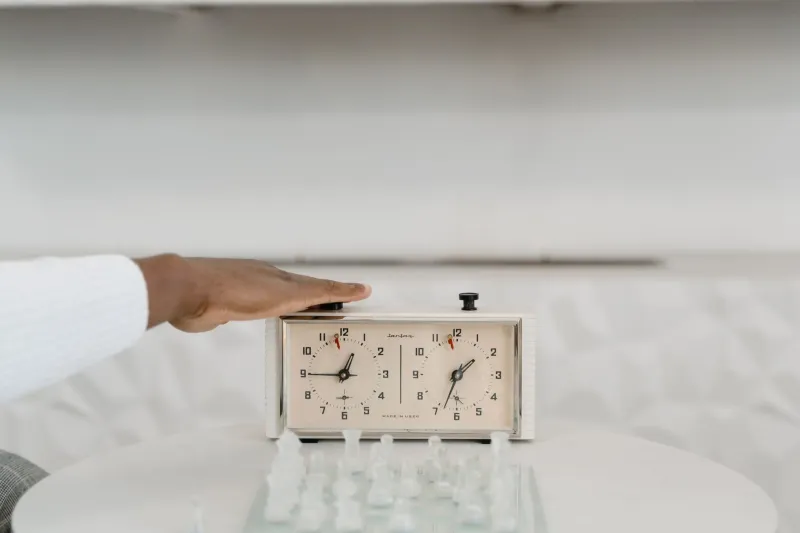
Ever sat down for a quick spin session and looked up to realize an hour had vanished? You're not alone. Time distortion is one of the most well-documented side effects of immersive gaming — and for spin players specifically, it's practically a feature of the experience. The reels keep moving, the sounds keep hitting, and before long, what started as a twenty-minute entertainment break has stretched into something else entirely.
But here's the thing most players never stop to consider: longer doesn't mean better. In fact, there's a very real point in every session where enjoyment starts declining and poor decision-making starts climbing. Researchers call it diminishing returns. Spin players usually call it "just one more spin."
Let's talk about where that line actually is — and how to find yours before it finds you.
What the Research Actually Says About Play Duration
Behavioral economists and gaming researchers have spent a surprising amount of time studying how session length affects player outcomes and satisfaction. The findings are pretty consistent: most players report peak enjoyment somewhere in the 20-to-45-minute range for a single uninterrupted session.
After about 45 minutes, a few things start happening in the brain. Decision fatigue sets in. The novelty of the game fades. And critically, players begin to reframe their goals — shifting from "I'm here to have fun" to "I need to get back to even." That mental shift is where the trouble starts.
A 2022 study published in the Journal of Gambling Studies found that players who exceeded 60-minute sessions were significantly more likely to report lower satisfaction scores, even when their monetary outcomes were similar to shorter sessions. It's not just about what you win or lose — it's about how the experience feels. And after a certain point, it just stops feeling good.
The Three Phases of a Spin Session
Think of any session in three rough phases:
Phase One: The Warm-Up (0–15 minutes) This is the honeymoon window. Everything feels fresh. You're calibrating your bets, exploring the game mechanics, and the dopamine hits are landing cleanly. Wins feel great. Losses feel like speed bumps. Most players are at their sharpest here.
Phase Two: The Sweet Spot (15–45 minutes) This is the zone you want to live in. You've got a feel for the game, your betting rhythm is established, and you're making decisions from a relatively stable emotional baseline. This is where the best combination of entertainment value and rational play tends to occur.
Phase Three: The Grind (45+ minutes) Here's where things get complicated. Fatigue erodes judgment. Wins start feeling like they're owed rather than earned. Losses trigger emotional responses that nudge players toward bigger bets as compensation. The fun-to-frustration ratio flips, often without the player even noticing.
The goal isn't to avoid Phase Three at all costs — sometimes you're on a roll and the session deserves to breathe. But recognizing when you've entered it is everything.
Why Your "Sweet Spot" Is Personal
The 20-to-45-minute benchmark is a useful starting point, but your ideal window depends on a handful of variables that are unique to you.
Bankroll size matters. A $20 session and a $200 session don't have the same natural arc. Smaller bankrolls tend to burn through faster, compressing the timeline. Larger ones can sustain engagement longer — but that doesn't mean they should.
Game type plays a role. High-volatility slots demand more mental energy per spin. Low-volatility games are easier to sustain for longer without cognitive fatigue. If you're grinding a high-stakes, high-variance game, your sweet spot probably shortens by 10 to 15 minutes compared to a casual, low-variance title.
Time of day is real. A morning session hits differently than a midnight one. Your cognitive baseline — how sharp and emotionally regulated you are — fluctuates throughout the day. Late-night sessions after a long workday are often the shortest fuse before diminishing returns kick in.
Stress levels outside the game. If you're carrying anxiety or frustration into a session, your sweet spot shrinks. Emotional baggage accelerates fatigue and makes the grind phase arrive early.
How to Identify Your Personal Window
Here's a practical exercise worth trying: for your next five sessions, set a timer and keep a simple log. Note when you started, when you stopped, and — most importantly — how you felt at both points. Rate your enjoyment on a simple 1-to-10 scale when you sit down and again when you walk away.
After five sessions, patterns will emerge. Most players discover they feel best when they exit somewhere between the 25-and-40-minute mark. Others, particularly those who prefer lower-stakes casual play, find their window extends a bit further.
The point isn't to follow a rule. It's to find your rule — the one built on your actual experience rather than a vague sense that stopping feels like giving up.
Building a Session Structure That Works
Once you've got a rough idea of your sweet spot, you can start building it into your routine intentionally.
Set a session timer before you start. Not as a hard stop, but as a check-in prompt. When it goes off, pause and honestly assess: Am I still enjoying this? Am I making clear-headed decisions? If yes, extend. If not, close out.
Use a win goal and a loss limit as bookends. These aren't just bankroll tools — they're session-length tools. Hitting either one gives you a natural, judgment-free exit point that doesn't require willpower to execute.
Take a break between sessions, not just between spins. If you want to play longer, break the time into two distinct sessions with at least a 15-minute gap. Stand up, get some water, check your phone. That reset is enough to partially restore your decision-making baseline.
Pay attention to how you feel, not just what's happening on screen. Boredom, irritation, or a creeping sense of desperation are signals — not just moods to push through.
The Bottom Line
Spin gaming is at its best when it's doing what it's supposed to do: entertain you. The sessions that feel the best, in retrospect, are almost never the longest ones. They're the ones where you stayed in the zone, made decisions you felt good about, and left before the experience curdled into something less fun.
Finding your sweet spot isn't about limiting yourself. It's about protecting the part of the experience that made you want to play in the first place. Spin smart, and the game stays a game.