Why New Spinners Almost Always Feel Like Geniuses (And What Changes After Week One)

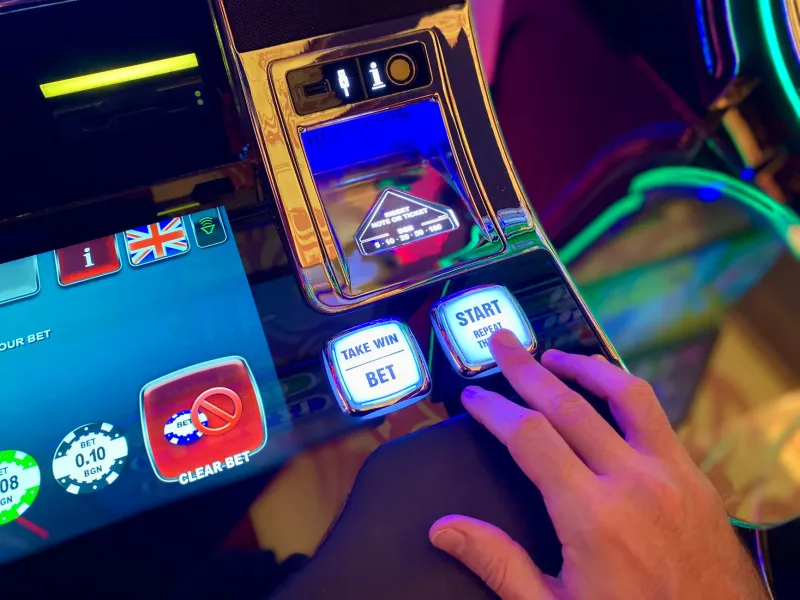
Photo by Photo by Carl Raw on Unsplash on Unsplash
Let's be honest: if you've just discovered spin gaming, the first few days probably felt pretty good. Maybe you walked away up a few dollars. Maybe you hit something decent on your third session. Maybe you started thinking, hey, I might actually be good at this.
You're not alone. Nearly every new player goes through this phase. And nearly every new player eventually has to reckon with the truth behind it.
This isn't a scare piece. It's a reality check — the kind SpinBetter thinks every newcomer deserves before they're too deep into the game to hear it.
The Welcome Bonus Illusion
Most online spin gaming platforms greet you with a generous welcome package. We're talking matched deposits, free spins, bonus credits — sometimes hundreds of dollars worth of play money stacked on top of your initial deposit. On paper, it looks incredible. In practice, it creates a distorted picture of what the experience actually costs.
When you're playing with bonus funds, you're essentially gambling with a cushion. Losses feel smaller because you're burning through house money first. Wins feel more significant because they're landing in the context of extended, artificially padded play time. Your brain registers this as winning, even when the math tells a different story.
Here's the thing about welcome bonuses: they come with wagering requirements. Most platforms require you to play through your bonus amount anywhere from 20x to 50x before you can cash anything out. So that $100 bonus? You may need to spin through $2,000 to $5,000 in total bets before it converts to real, withdrawable cash. That's not a trap — it's disclosed in the terms — but it's also not something your brain naturally accounts for when you're riding the excitement of early play.
What "Beginner's Luck" Actually Is
Beginner's luck is real. But not in the way most people think.
Statistically speaking, every spin on a slot game is an independent event. The machine doesn't know it's your first day. The RNG (random number generator) doesn't give you a warm welcome. What actually happens is more about sample size than fortune.
New players have small sample sizes. With only a few hundred spins under your belt, you haven't yet had enough trials for the house edge to fully express itself. Think of it like flipping a coin — flip it four times and you might get heads every time. Flip it four thousand times and you'll land very close to 50/50. Spin gaming works the same way, just with more variables.
In your first week, you're in the four-flip zone. Variance is high, outcomes are unpredictable, and positive results are genuinely possible. But over time, the house edge — which is built into every game — starts to do its quiet, consistent work.
Understanding the House Edge (Without the Math Headache)
Every spin game has something called an RTP, or Return to Player percentage. A game with a 96% RTP, for example, returns an average of $96 for every $100 wagered — over a very long period, across millions of spins.
That 4% the house keeps? It doesn't sound like much. But it compounds. It's relentless. And it doesn't care about your winning streak from Tuesday.
New players rarely internalize this because they haven't played long enough to see it in action. Experienced players understand that the goal isn't to beat the house edge permanently — it's to manage sessions wisely within the reality of it.
Some games have higher RTPs than others. Checking a game's RTP before you play is one of the simplest, most overlooked habits a smart spinner can build early.
The Psychological Hook That Sets In Early
Here's where things get genuinely interesting from a brain science standpoint. Early wins — even small ones — trigger dopamine releases that your memory stores with unusual vividness. Losses, especially small ones spread across many spins, tend to blur together. Your brain is literally designed to remember the wins more clearly than the losses.
This creates a distorted internal scoreboard. After your first week, you might genuinely believe you're ahead, even if a careful accounting would show you're slightly down. This isn't a character flaw — it's human neurology doing what it evolved to do.
The fix? Keep an actual record. Write down what you deposit, what you withdraw, and what you've spent in bonus play. A simple note on your phone works. Real numbers cut through the noise that your memory creates.
Setting Expectations That Actually Hold Up
None of this means spin gaming isn't worth your time. It absolutely can be — as entertainment, as a way to unwind, as a low-stakes hobby with the occasional exciting upside. SpinBetter's whole thing is helping you play better, and playing better starts with seeing clearly.
Here's a realistic framework for your first month:
Set a monthly entertainment budget. Treat it the same way you'd treat a streaming subscription or a night out. Money you're genuinely okay spending, not money you're hoping to get back.
Explore the free play options first. Most platforms offer demo modes. Use them. Get a feel for a game's rhythm, volatility, and bonus frequency before you put real dollars on it.
Read the bonus terms. Seriously. It takes five minutes and could save you real frustration when you try to cash out.
Give yourself a session limit, not just a dollar limit. Time flies when you're spinning. Decide in advance how long you'll play, not just how much you'll spend.
The first week of spin gaming is supposed to be fun. It often is. Just don't mistake that fun for a sustainable edge — because the math doesn't bend for anyone, no matter how good the first Tuesday felt.