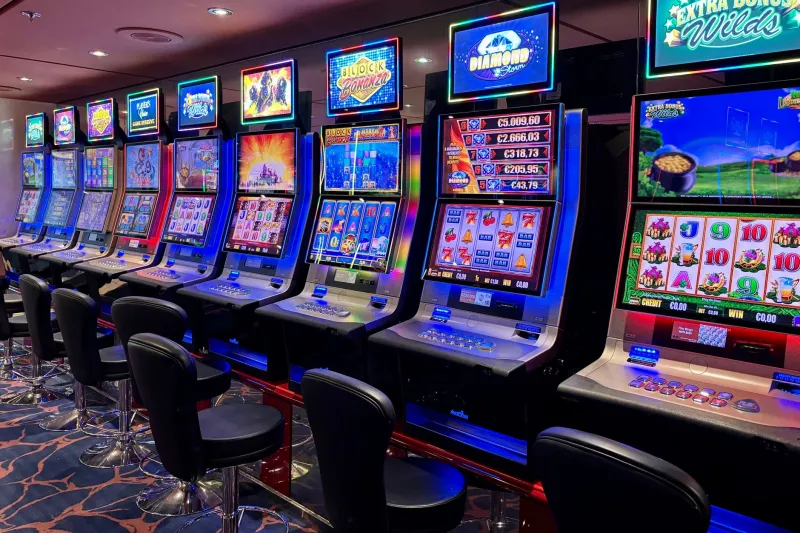
Reels, Dollars, and Downtime: How Spin Gaming Fits Into the Modern American Entertainment Budget
Every generation has its version of blowing off steam after a long week. For your grandparents, it might have been a Friday night at the bowling alley or a Saturday drive-in movie. For your parents, maybe it was season tickets or a weekend golf membership. Today, a growing slice of American leisure spending is flowing somewhere a little more digital — and a whole lot more accessible.
Spin-based gaming, from online slots to reel-style casino apps, has quietly become one of the most significant line items in how Americans allocate their entertainment budgets. And understanding why that's happening tells you a lot about where leisure culture is headed.
The Big Picture: Where American Entertainment Money Actually Goes
According to the Bureau of Labor Statistics, the average American household spends roughly $3,500 per year on entertainment — a category that covers everything from streaming subscriptions and sporting events to dining out and, yes, gaming. That figure has climbed steadily over the past decade, even as inflation has squeezed other household expenses.
What's interesting isn't just the total — it's the internal reshuffling. Spending on physical entertainment (think movie theaters, live concerts, amusement parks) dipped significantly during the pandemic and hasn't fully rebounded. Meanwhile, digital entertainment — gaming included — absorbed much of that redirected cash and then some.
The American Gaming Association reported that legal gaming revenue in the U.S. crossed $60 billion in recent years, with online and mobile formats representing the fastest-growing segment. Spin-based games sit at the heart of that growth. They're low-barrier, endlessly varied, and available 24/7 from a smartphone. For a lot of players, they've become a go-to leisure option in the same way Netflix or a fantasy sports league might be for someone else.
Generational Spending: Not Everyone Plays — or Pays — the Same Way
One of the most fascinating dynamics in the spin economy is how differently age groups engage with it financially.
Millennials (roughly ages 28–43) tend to approach gaming spending with a consumer mindset. They're used to subscription models, in-app purchases, and value-per-hour calculations. Many treat a gaming session budget the same way they'd treat a dinner out — a deliberate, capped expense that's part of the monthly entertainment allotment. This group is also more likely to research platforms, compare bonuses, and hunt for value before committing real dollars.
Gen X players (ages 44–59) often bring nostalgia into the equation. Many grew up with early casino trips or video poker machines at the local bar, and online spin games scratch a familiar itch. This demographic tends to have more disposable income and is less likely to agonize over a modest session budget — but they're also more likely to have a firm ceiling in mind.
Baby Boomers and older players represent a surprisingly active and growing segment. With more free time and often more financial stability, this group has embraced online gaming as a social and entertainment outlet. Research consistently shows that older adults view gaming as a form of mental engagement, not just a gamble — and they allocate spending accordingly, often treating it like a hobby with a monthly budget.
Younger adults and Gen Z (under 28) are the wildcards. Many grew up with free-to-play mobile games and have complicated relationships with spending real money on entertainment. They're drawn to gamified experiences but are also more likely to set strict limits — or to simply walk away if something doesn't feel worth it.
The Comparison Problem: Is Gaming Good Value for Your Dollar?
Here's where it gets personal. One of the most useful mental frameworks for evaluating any entertainment expense is cost-per-hour. A two-hour movie costs around $15–20 at a theater. A round of golf might run $50–80. A night out at a bar can easily hit $60–100 before you've had a proper conversation.
Spin gaming, when approached thoughtfully, can actually compare favorably on this metric — if you're treating it as entertainment rather than income generation. A player who sets a $30 session budget, takes advantage of platform bonuses, and plays for two to three hours has spent their entertainment dollars about as efficiently as a trip to the movies. The key phrase there is "set a session budget."
The trouble starts when the comparison breaks down — when a player stops thinking about cost-per-hour and starts chasing a return on investment that was never part of the original deal. That mental shift is where leisure spending tips into something less healthy.
Spinning Smarter: Aligning Gaming Costs With Financial Reality
So how do you make sure your spin habit stays in the "fun expense" column rather than quietly migrating into the "problem" column?
Treat it like any other entertainment line item. Seriously — put it in your monthly budget next to your streaming services and your gym membership. If you spend $40/month on gaming entertainment, that's a completely reasonable leisure expense for most households. If you're struggling to name the number, that's worth paying attention to.
Use bonuses strategically, not emotionally. Welcome bonuses, free spins, and loyalty rewards are real value — but only if you're already planning to spend that money on entertainment. Chasing a bonus you don't need is just spending more.
Track your sessions. Most reputable platforms have spend-tracking tools built in. Use them. Knowing your actual monthly total — not your estimated total — is one of the simplest ways to stay in control of your entertainment budget.
Compare honestly. Before your next session, ask yourself: what else could I do with this $25 for two hours? If gaming still wins that comparison for you, great. If it doesn't, maybe it's a night for a different kind of entertainment.
The Bigger Shift Worth Watching
What's really happening in the spin economy isn't just about gaming. It's about how Americans are redefining what leisure looks like in a digital-first world. Convenience, accessibility, and personalization are winning. People want entertainment that fits their schedule, their budget, and their mood — not a fixed-time, fixed-price experience that requires planning and transportation.
Spin-based gaming checks all of those boxes. And as the industry matures, the platforms that win long-term will be the ones that help players feel good about how they're spending — not just how much they're spending.
At SpinBetter, we think that's exactly the right evolution. Spin smart, understand your numbers, and make sure every session is genuinely worth your time and your dollars. That's not just good advice — it's the whole point.